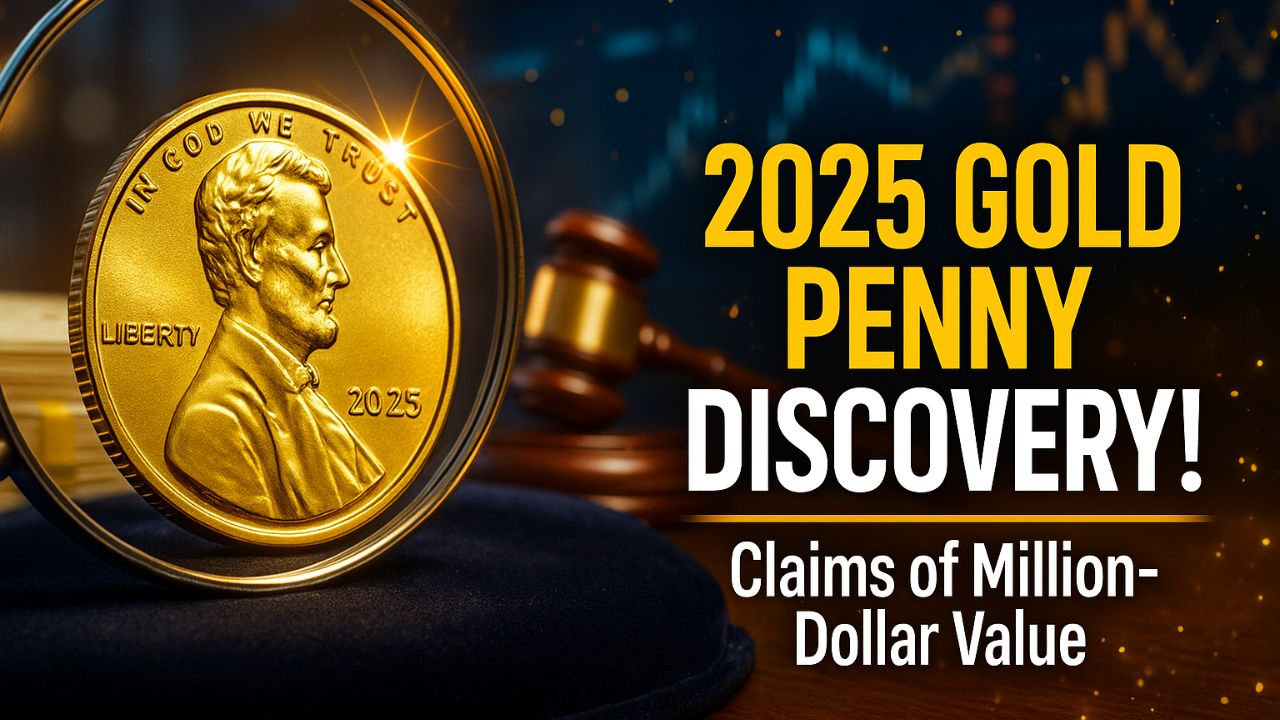


The Lincoln Wheat Penny, minted from 1909 to 1958, remains one of the most collected and historically significant U.S. coins.
Although originally worth one cent, many Wheat Pennies today carry collector values ranging from a few cents to thousands of dollars, especially rare dates and minting errors.
This updated 2025 value guide explains price trends, key dates, and what makes certain pennies highly valuable.
Why Wheat Pennies Are Valuable
Wheat Penny prices depend on several key factors:
- Year & Mint Mark – Coins from Denver (D) or San Francisco (S) often have lower mintages.
- Condition/Grade – Coins graded MS-60 or higher can sell for 10–100× more than circulated pieces.
- Rarity – Limited-issue coins like the 1909-S VDB or 1914-D are highly sought after.
- Mint Errors – Some pennies were struck on the wrong metal or incorrectly doubled, creating rare variants worth thousands.
- Demand – The Wheat Penny series is extremely popular among U.S. collectors, keeping prices strong.
Wheat Penny Price Chart (1910–1959)
Below is an updated 2025 value chart showing typical collector values for the most important Wheat Pennies. Values represent an approximate range for circulated to uncirculated grades.
| Year / Type | Mint Mark | Key Feature | Typical 2025 Value Range |
|---|---|---|---|
| 1910–1919 (common years) | P/D/S | Bronze | $0.10 – $10 |
| 1910-S | S | Scarcer early S-mint | $15 – $150 |
| 1914-D | D | One of the rarest regular issues | $75 – $10,000+ |
| 1920–1929 (common years) | P/D/S | Heavy circulation years | $0.10 – $5 |
| 1922 No-D | D | Missing mintmark error | $300 – $5,000 |
| 1931-S | S | Low mintage (866k) | $75 – $1,500+ |
| 1930–1939 (common years) | P/D/S | Depression-era coins | $0.05 – $3 |
| 1943 Steel Penny | P/D/S | Zinc-coated steel | $0.10 – $3 |
| 1943 Bronze Penny | P/D/S | Wrong metal error | $75,000 – $400,000+ |
| 1944 Steel Penny | P/D/S | Wrong metal error | $10,000 – $100,000+ |
| 1936 & 1941 Doubled Die | P | Doubled lettering | $75 – $2,500 |
| 1955 Doubled Die Obverse | P | Strong doubling | $1,000 – $15,000+ |
| 1950–1958 (common years) | P/D/S | Late Wheat pennies | $0.05 – $2 |
Most Valuable Wheat Pennies (1910–1959)
1909-S VDB
One of the most famous Wheat Pennies. Only 484,000 were minted.
Typical value: $400 – $3,000+ depending on grade.
1914-D
Very low survival rate in high grades.
Value can exceed $10,000 in uncirculated condition.
1922 No-D
A major minting error where the Denver mintmark is missing.
Highly collectible and often sells for $300 – $5,000.
1943 Bronze & 1944 Steel Errors
These “wrong metal” pennies are among the most valuable U.S. coins ever discovered.
Auction results have exceeded $300,000 for pristine examples.
1955 Doubled Die
The doubling on the date and lettering is extremely bold.
A top-tier collector coin worth $1,000 – $15,000 based on condition.
Collecting Tips for Beginners
If you own or discover Wheat Pennies, use this checklist:
- Check the date and mint mark carefully.
- Look for doubling, unusual metal color, or weak/missing mintmarks.
- Keep coins in protective holders to prevent damage.
- Get rare coins professionally graded to maximize resale value.
- Compare values regularly because market prices fluctuate yearly.
From early mintings in the 1910s to the iconic final years of the 1950s, Wheat Pennies offer collectors a fascinating blend of history, rarity, and potential value.
While most pieces are inexpensive, key dates and mint errors can command impressive prices in 2025’s coin market.
Whether you’re a casual hobbyist or a serious numismatist, understanding mintmarks, condition, and rarity ensures you can confidently evaluate any Wheat Penny in your collection.
FAQs
Most Wheat Pennies are common and worth 5 to 50 cents in circulated condition. Only rare dates, special mintmarks, and error coins reach high values.
The 1943 Bronze Wheat Penny is considered the most valuable regular-era rarity, with auction prices going well above $300,000.
If your coin has sharp details, a rare date, or looks significantly better than average, grading is recommended. High-grade Wheat Pennies sell for dramatically more.
Related Posts